


Kandhamal —
Turmeric, Forest Honey & Tribal Food Heritage

Kandhamal Turmeric
Known for rich turmeric culture, natural farming practices and strong local spice identity.
Forest Honey & Produce
Forest-linked communities bring honey, tamarind, herbs and seasonal native produce.
Millets, Pulses & Grains
Millets, ragi, pulses and rice reflect Kandhamal’s highland farming food culture.
Tribal Community Sourced
Supporting tribal farmers, women SHGs, forest gatherers and rural producer groups.
WHY KANDHAMAL IS SPECIAL
Where Forests & Tribal Food Come Together
Kandhamal carries a strong natural food identity shaped by forested hills, tribal communities, turmeric cultivation, millet farming and seasonal forest produce. The district’s food story connects turmeric, honey, millets, pulses, rice, spices.
Turmeric Heritage
Kandhamal is strongly associated with turmeric, making it one of the most important district identity products for the page.
Forest-Rich Highland Landscape
The district’s hills and forests create a natural connection with honey, tamarind, herbs and seasonal forest produce.
Tribal Food Culture
Local communities preserve traditional food knowledge through millets, pulses, rice, forest foods and home-style preparations.
SHG, Farmer & Forest Livelihoods
ODH can highlight tribal farmers, women SHGs, forest gatherers, rural processors and producer collectives from Kandhamal.


FROM FARMERS, SHGS & FOREST COMMUNITIES OF KANDHAMAL
Supporting Livelihoods. Preserving Turmeric & Forest Food Heritage.
ODH connects customers with Kandhamal’s tribal farmers, women SHGs, forest gatherers, rural processors and producer groups.
Fair Prices
For farmers and rural producers
Direct from Origin
District-based sourcing and transparent supply
Women Empowered
SHG-led cleaning, processing and packing
Heritage Preserved
Turmeric, millets, honey and seasonal foods
Shop Authentic Kandhamal Products
-
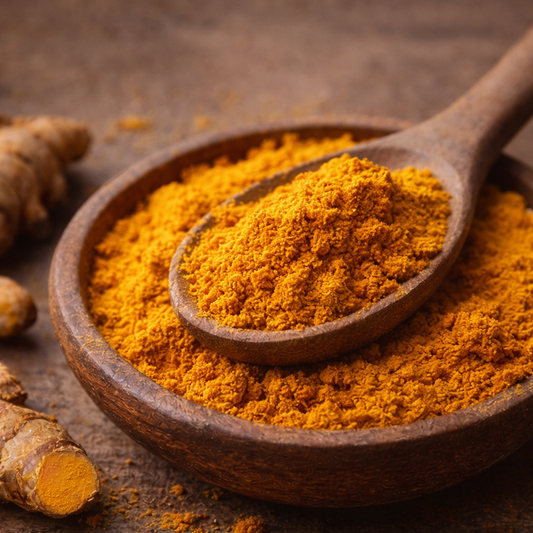
Kandhamal Haldi – GI Tagged Kandhamal Turmeric from Odisha
Vendor:KASAMRegular price From Rs. 80.00Regular price -
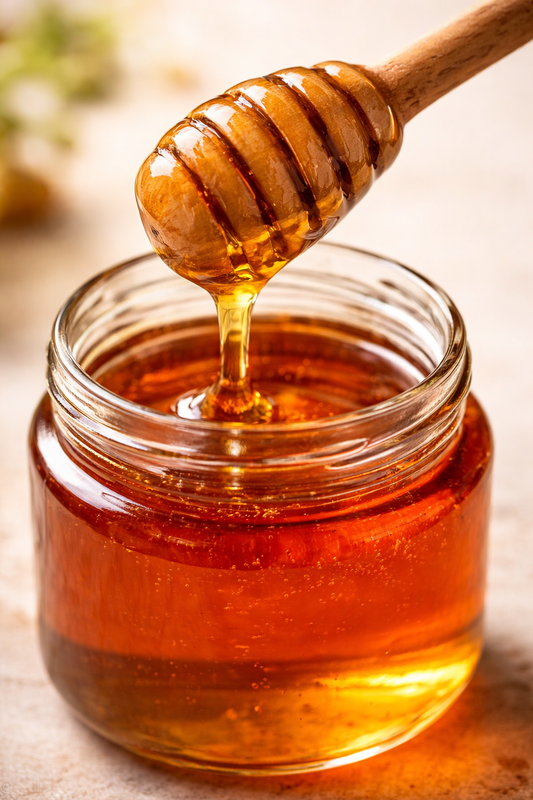
Tribal Forest Honey | Raw & Unprocessed | Kandhamal
Vendor:Royal Bee BrotherRegular price From Rs. 300.00Regular priceRs. 550.00Sale price From Rs. 300.00Price (Incl. of all taxes)Sold out -
Black Rice – From Kandhamal, Odisha
Vendor:KASAMRegular price Rs. 80.00Regular price -
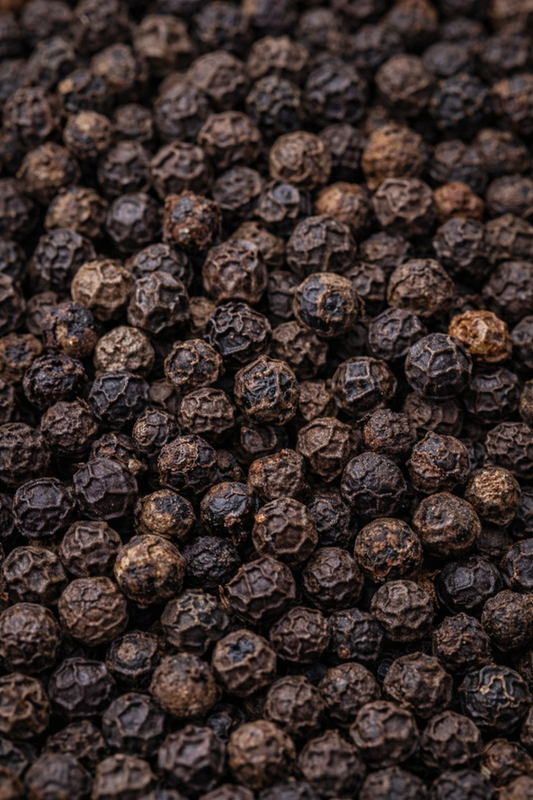
Premium Black Pepper – Handpicked from Daringbadi, Odisha
Vendor:AdishaRegular price Rs. 85.00Regular price





From the Forested Highlands of Kandhamal
Located in the highland belt of Odisha, Kandhamal is shaped by forested hills, tribal settlements, turmeric fields, millet cultivation and nature-linked livelihoods. Its local product identity comes from turmeric, forest honey, millets, pulses, rice, spices, tamarind and small-batch foods made by community groups. For Odisha Desi Haat, Kandhamal offers a meaningful story of natural farming, rural livelihoods and authentic tribal food heritage.
160K+
Hectares
Forest Area
50+
Tribal
Communities
Rich
Biodiversity
& Resource
Order Online. Pick Up Locally.
Choose a nearby ODH pickup point or FPO hub at checkout.
Frequently Asked Questions
Kandhamal is known for turmeric, forest honey, forest-rich landscapes, tribal communities, millets, pulses, spices, tamarind and rural food traditions.
You can shop Kandhamal turmeric, forest honey, millets, pulses, rice, tamarind, spices, badi, papad, pickles and SHG-made foods depending on product availability.
Yes. Turmeric is one of Kandhamal’s strongest district product identities, making our our Kandhamal turmeric powder, whole turmeric and turmeric-based foods suitable for the district page.
Yes. Kandhamal’s forest-rich landscape and rural livelihoods make honey, tamarind, herbs and seasonal forest produce suitable categories when sourcing is verified.
ODH can source from tribal farmers, women SHGs, FPOs, forest gatherers, rural processors and producer groups to create a transparent and community-led supply chain.
Yes, selected Kandhamal products can be delivered across India depending on product availability, packaging, shelf life and serviceable pin codes.